Top Art Influences in Contemporary Poetry Today

Contemporary poetry is a vibrant and ever-evolving field, shaped by various artistic influences that reflect the complexities of modern life. As poets draw inspiration from diverse sources, the intersection of art and poetry becomes a rich tapestry of expression. In this blog post, we will explore the top art influences in contemporary poetry today, examining how visual arts, music, performance, and digital media shape poetic voices and themes.
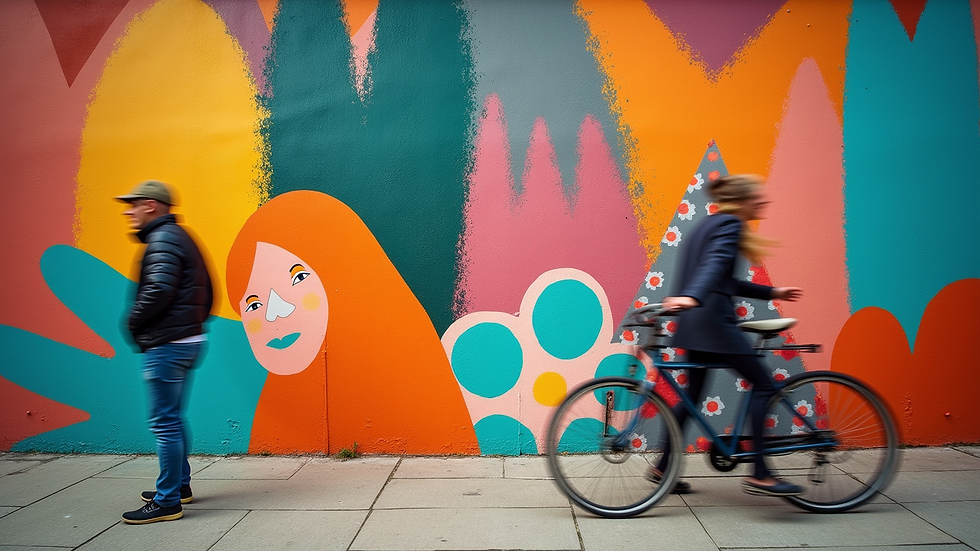
The Impact of Visual Arts
Visual arts have long been a source of inspiration for poets. The relationship between poetry and visual art is not new; however, contemporary poets are increasingly engaging with visual elements to enhance their work. Here are some key ways visual arts influence poetry today:
1. Imagery and Symbolism
Poets often borrow imagery and symbolism from visual art to create vivid mental pictures. For instance, the use of color, texture, and form in paintings can evoke emotions and ideas that resonate deeply with readers.
Example: The works of artists like Frida Kahlo and Vincent van Gogh inspire poets to explore themes of identity, mental health, and the human experience through rich, descriptive language.
2. Ekphrasis
Ekphrasis is a literary device where a poet responds to a work of visual art. This practice allows poets to explore the narrative behind the artwork, offering readers a deeper understanding of both the poem and the piece of art.
Example: In her poem "The Art of Drowning," Billy Collins reflects on a painting by Edward Hopper, using the imagery to delve into themes of isolation and longing.
3. Collaborative Projects
Many contemporary poets collaborate with visual artists to create multimedia works that blend poetry and visual art. These collaborations often result in unique installations or publications that challenge traditional boundaries.
Example: The collaboration between poet Ocean Vuong and visual artist Tavares Strachan resulted in a project that combines poetry with light installations, exploring themes of memory and identity.
The Influence of Music
Music is another powerful influence on contemporary poetry. The rhythm, structure, and emotional depth of music often find their way into poetic forms. Here are some ways music shapes contemporary poetry:
1. Rhythm and Meter
Many poets draw inspiration from musical rhythms, incorporating them into their work. The cadence of a poem can mirror the flow of a song, creating a musicality that enhances the reading experience.
Example: The use of jazz rhythms in the poetry of Langston Hughes reflects the cultural significance of music in the Harlem Renaissance, influencing contemporary poets to explore similar themes.
2. Lyricism
The lyrical quality of poetry often parallels that of song lyrics. Poets today are increasingly aware of the musicality of their language, crafting verses that resonate like melodies.
Example: The work of contemporary poet Rupi Kaur often features a lyrical style that echoes popular music, making her poetry accessible and relatable to a broad audience.
3. Performance Poetry
Performance poetry, often influenced by music, has gained popularity in recent years. Poets perform their work in front of audiences, using vocal delivery and rhythm to enhance the emotional impact of their words.
Example: The rise of slam poetry has created a platform for poets to engage with music and rhythm, allowing them to connect with audiences in dynamic ways.
The Role of Digital Media
In the digital age, contemporary poetry is increasingly influenced by technology and social media. The ways in which poetry is created, shared, and consumed have transformed dramatically. Here are some key aspects of this influence:
1. Online Platforms
Social media platforms like Instagram and Twitter have become popular venues for poets to share their work. The brevity of these platforms encourages concise and impactful writing, often leading to the creation of "micro-poetry."
Example: Poets like Atticus Poetry and Lang Leav have gained massive followings by sharing short, poignant verses on Instagram, reaching audiences who may not engage with traditional poetry.
2. Multimedia Poetry
Digital media allows poets to experiment with multimedia formats, combining text with images, videos, and sound. This fusion creates immersive experiences that engage readers in new ways.
Example: Poet and artist Amanda Gorman uses video and performance to enhance her poetry, making her work accessible to a wider audience and emphasizing the power of spoken word.
3. Interactive Poetry
Interactive poetry invites readers to engage with the text in innovative ways. Digital platforms can incorporate hyperlinks, animations, and other interactive elements that transform the reading experience.
Example: The online poetry project "Dear Data" by Giorgia Lupi and Stefanie Posavec combines data visualization with poetry, allowing readers to explore themes of connection and communication through interactive elements.
The Intersection of Poetry and Performance Art
Performance art has a profound impact on contemporary poetry, as poets often incorporate elements of theater, dance, and visual art into their work. This blending of disciplines creates a dynamic and engaging experience for audiences. Here are some ways performance art influences poetry:
1. Physicality of Language
Performance poetry emphasizes the physicality of language, allowing poets to use their bodies to convey meaning. This approach can enhance the emotional resonance of a poem, making it more impactful.
Example: Poet and performer Sarah Kay uses movement and gesture to complement her spoken word, creating a powerful connection with her audience.
2. Audience Engagement
Performance art encourages active audience participation, transforming the traditional role of the reader into an engaged participant. This interaction can deepen the emotional experience of the poem.
Example: The work of poet and performer Andrea Gibson often involves audience interaction, inviting listeners to share their own stories and experiences in response to the poetry.
3. Theatrical Elements
Many contemporary poets incorporate theatrical elements into their performances, using costumes, props, and staging to enhance the storytelling aspect of their work.
Example: Poet and performer Kate Tempest often uses theatrical techniques in her performances, blurring the lines between poetry, theater, and music.
Conclusion
The influences of visual arts, music, digital media, and performance art are reshaping contemporary poetry in exciting ways. As poets continue to draw inspiration from these diverse sources, the landscape of poetry evolves, reflecting the complexities of modern life.
By embracing these influences, contemporary poets are not only expanding their creative horizons but also connecting with audiences in meaningful ways. As you explore the world of contemporary poetry, consider how these art forms intersect and inspire one another, enriching the poetic experience for all.
Whether you are a poet, a reader, or simply an art enthusiast, the interplay between poetry and other art forms offers a wealth of inspiration and insight. Engage with these influences, and you may find new ways to appreciate and create poetry in your own life.


Comments